The legend of the Prague Golem traces its roots to Jewish mythology. It’s said that Rabbi Loew sought to protect Prague’s Jewish quarter from slander and attacks by townsfolk, crafting a man from clay. But alas, commanding life is beyond human reach, and the Golem emerged imperfect. It faithfully followed the rabbi’s orders but lacked restraint, gradually slipping from control. In the end, the rabbi had to erase the letter "aleph"—meaning “breath”—from its forehead, watching as his creation crumbled to pieces.
The Game Golem
“Golem” is a complex game where you become a scholar crafting giant clay assistants. With the help of students, accumulated knowledge, and powerful artifacts, your goal is to score the most victory points and rise as the greatest scholar. Set in 16th-century Prague, you’ll embody eminent scientists of the era. Armed with ancient tomes and supported by loyal pupils, you’ll breathe life into clay giants and dispatch them into the city on vital missions. You must keep them in check—students and knowledge will aid you here—though you can turn your golems to dust at any moment, deeming their tasks complete.
Gameplay
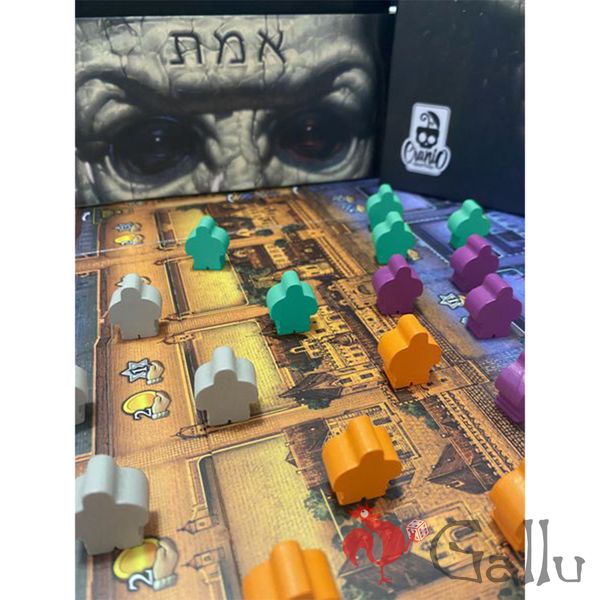
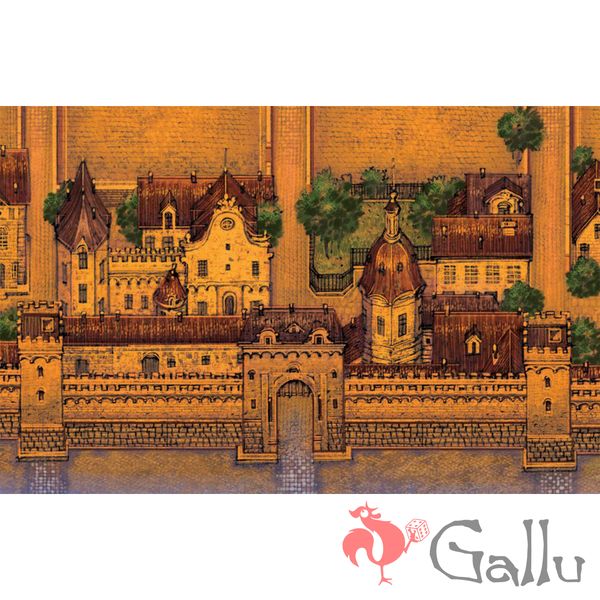
The game board depicts 16th-century Prague. At the top sits the palace, home to characters you’ll interact with each round. Nearby lies a market of ancient books, where you’ll seek essential knowledge. The central area features city streets, bustling with your students and created golems.
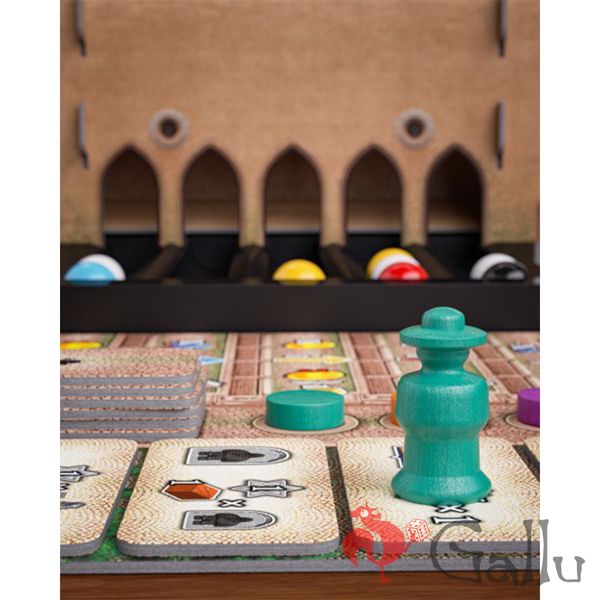
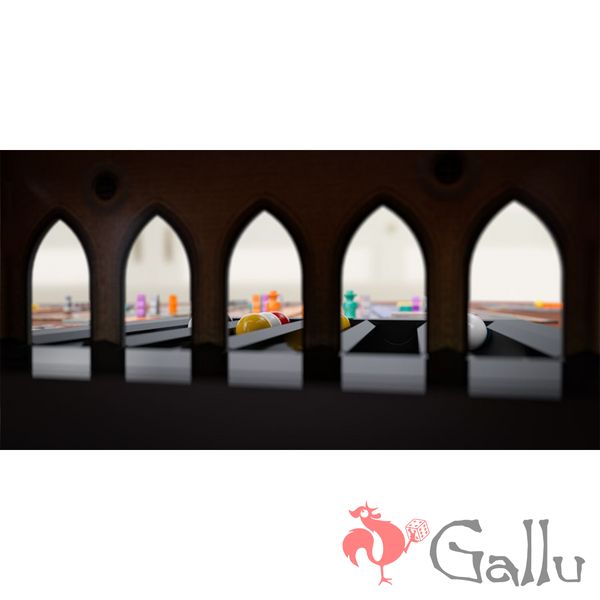
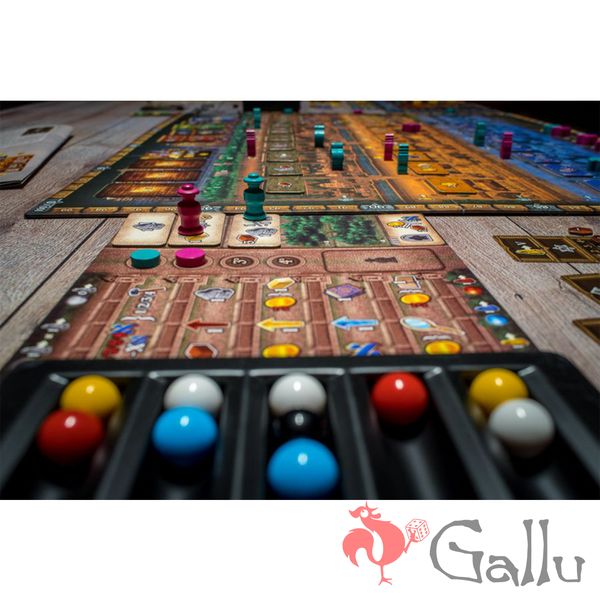
Your actions hinge on the board and a synagogue model. Five colored marbles are dropped into the model, rolling into five troughs tied to rows on the synagogue board. Taking a marble lets you perform a chain of actions from its row. The number of marbles in a trough determines the action’s strength (how effective it is), while the color dictates the bonus you gain now or at round’s end. Each round, a player takes two marbles, placing them in their golem’s eye sockets on their personal board. The color glowing in those eyes decides if you can engage with the round’s character.
Using the synagogue board’s actions, you can create and upgrade golems, send them on tasks, invent artifacts, acquire useful books, and establish resource and knowledge production. More golems mean more tasks completed, but they’re harder to control. A refined golem model is easier to manage and earns more points at game’s end. Artifacts yield resources at round’s end, resources during certain actions, and victory points when the game concludes. Books offer immediate bonuses, enable bonus chains when buying more books, and also add victory points at the end.
A third action involves the rabbi, who moves along a special track on the synagogue board. His actions shift each round, helping you gain resources, manage golems, make upgrades, bury golems, or perform unique maneuvers.
Players decide the order of their three possible actions—two from marbles and one from the rabbi—offering a million potential combinations. We can confidently say “Golem” boasts incredible replayability!
Your clay giants will slowly advance from district to district, aiding your plans. When you activate golems, each performs the action of the district it’s in. The farther a golem moves, the wider the gap grows between it and the servant controlling the street. At each round’s end, you pay knowledge based on that distance. But you can dismantle golems—turning them to dust and sending them to the graveyard—if managing them becomes too burdensome.